


Precision Radiation Shows Promise for Glioblastoma Patients
Glioblastoma (GBM) remains one of the most aggressive and difficult-to-treat cancers of the brain. While treatment options have improved over time, glioblastoma has remained one of the most challenging brain cancers to treat. However, new findings from the NRG Oncology trial analysis offer a hopeful signal that proton therapy, a highly targeted form of radiation, may meaningfully improve patient outcomes and is now advancing to a definitive Phase III study.
What the NRG-BN001 Trial Was Designed to Test
The NRG-BN001 study was a signal-seeking randomized Phase II clinical trial designed to explore whether higher radiation doses could enhance treatment effectiveness for newly diagnosed GBM patients. Patients received:
- Standard concurrent and adjuvant temozolomide chemotherapy, and
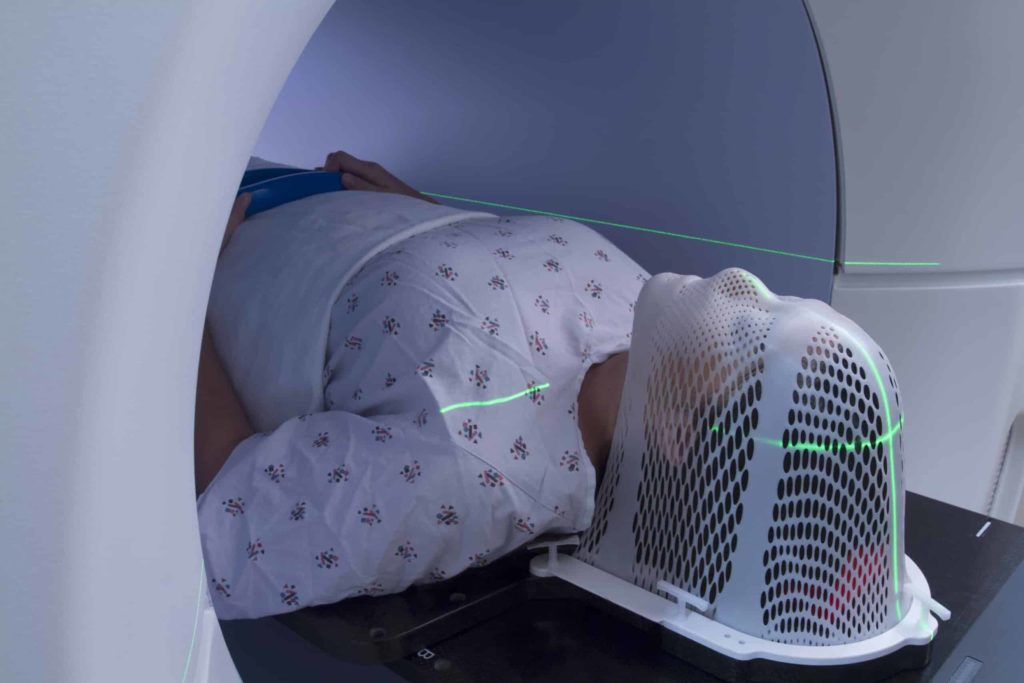
- Either dose-intensified radiation delivered as intensity-modulated photon therapy (IMRT) or proton therapy at 75 Gy.
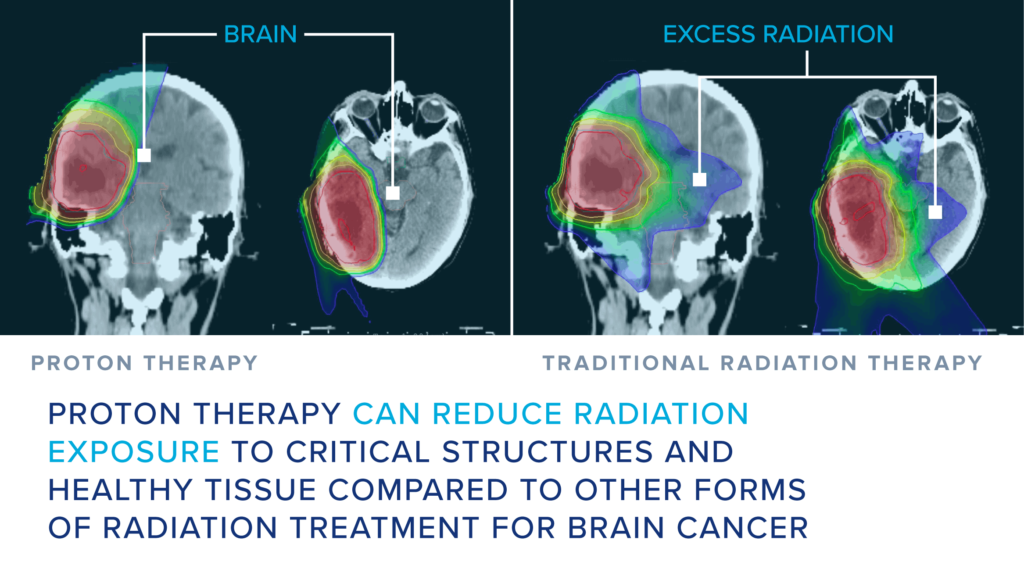
Proton therapy differs from conventional photon (X-ray) radiation by concentrating dose more precisely at the tumor while sparing surrounding healthy tissue and circulating immune cells. Because lymphopenia (low lymphocyte counts) has been linked to poorer outcomes in GBM, preserving immune function was part of the trial’s rationale.
Key Findings: Improved Survival with Proton Therapy
The trial’s analysis focused on the outcomes of the proton therapy cohort, which included 193 evaluable patients. Notable results included:
Improved overall survival (OS) in the proton therapy arm, with a hazard ratio of 0.81 — signaling a 19 % relative reduction in the risk of death compared to other approaches within the trial’s design.
Absolute survival gains at key milestones:
- 2-year survival: ~49.9 % with proton therapy vs. ~43.1 % otherwise
- 3-year survival: ~30 % vs. ~25.4 % which represent higher survival improvements to what is typically expected.
Benefit remained significant: The benefit was still seen even after accounting for important biological and health factors that influence glioblastoma outcomes, such as MGMT methylation (a gene that affects how well treatment works) and RPA class, which includes age, overall health, neurologic function, and extent of tumor removal.
Importantly, the proton therapy cohort did not show a statistically significant increase in severe radiation-related toxicities compared with expectations, and rates of high-grade lymphopenia appeared lower, aligning with the theory that proton therapy may better preserve immune function.
What This Means Clinically
While Phase II “signal-seeking” trials are not intended to provide definitive answers, the results from the proton therapy arm of NRG-BN001 met pre-defined criteria that justify moving forward with a Phase III randomized trial, the gold standard for proving clinical benefit.
This is especially meaningful in GBM, a disease where most interventions have historically failed to produce clear survival benefits beyond standard therapy. Proton therapy’s favorable toxicity profile and potential to maintain immune competence, along with preliminary survival gains, provide a strong rationale for further investigation.
Looking Ahead: A Phase III Trial to Confirm Benefit
The next step will be the design and execution of a Phase III clinical trial that can more definitively test whether intensified proton therapy should become part of standard care for patients with newly diagnosed GBM. This larger, controlled study will help clinicians and patients understand not just whether proton therapy can improve survival, but how much, for which patients, and with what long-term safety profile.
Conclusion
The NRG Oncology trial analysis marks an encouraging step forward in the fight against glioblastoma. By demonstrating a meaningful survival signal with proton therapy, and doing so without excessive toxicity, researchers have set the stage for definitive Phase III testing. For the GBM community, this development represents both scientific progress and renewed hope for better, more effective treatments on the horizon.
References
- NRG Oncology.
NRG Oncology trial analysis shows improvement in survival outcomes for glioblastoma patients receiving proton therapy; trial moves to Phase III.
Available at: https://www.nrgoncology.org/Home/News/Post/nrg-oncology-trial-analysis-shows-improvement-in-survival-outcomes-for-glioblastoma-patients-receiving-proton-therapy-trial-moves-to-phase-iii/