


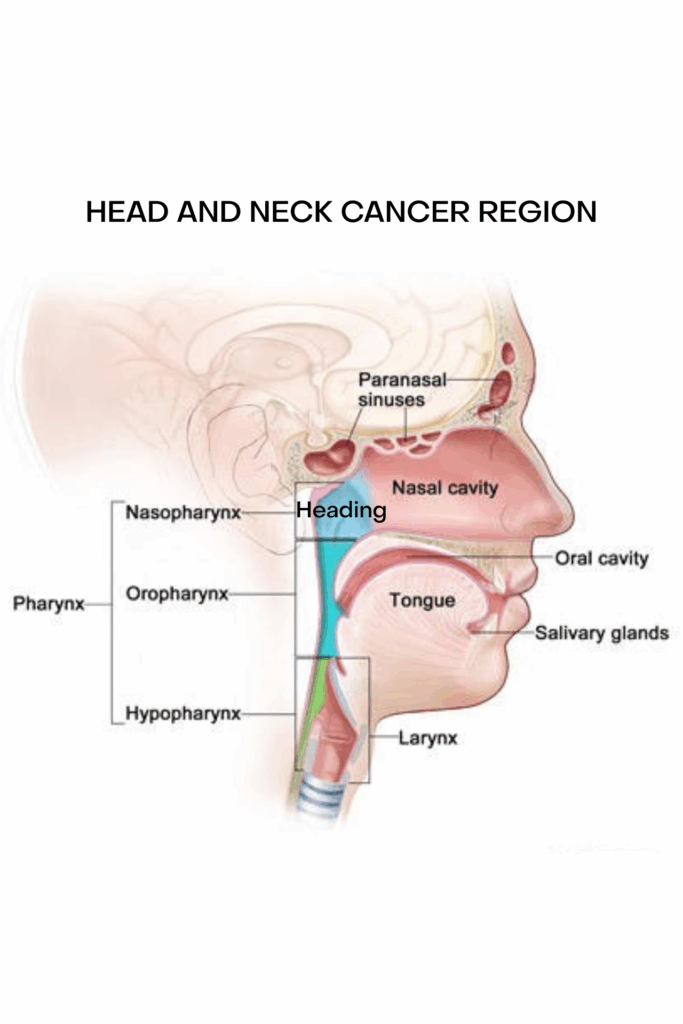
Proton Therapy New Standard of Care for
Patients with Oropharyngeal Cancer
A landmark study published in The Lancet is changing the conversation around head and neck cancer treatment — and offering new hope to patients and families navigating this diagnosis.
For the first time in a large, randomized Phase III clinical trial, researchers showed that proton therapy not only reduces treatment-related side effects, but also significantly improves overall survival compared to traditional radiation therapy. Seeing both benefits together is rare in cancer care and represents a major step forward.
A First-of-Its-Kind Survival Advantage
The multi-institutional study, led by researchers at MD Anderson Cancer Center compared intensity-modulated proton therapy (IMPT) with intensity-modulated radiation therapy (IMRT) in patients with oropharyngeal (head and neck) cancer.
The results were striking:
A 10% improvement in overall survival at five years
- At five years post-treatment, 90.9% of patients treated with proton therapy were alive, compared to 81% of patients treated with traditional radiation
Patients receiving proton therapy also experienced meaningful improvements in quality of life, including:
- Fewer patients needing feeding tubes
- Better ability to maintain weight
- Improved swallowing and chewing
- Greater ability to work and stay productive
- Lower rates of treatment-related immune suppression
The trial enrolled 440 patients across 21 treatment sites nationwide, including 17 proton therapy centers, making it the largest randomized study of its kind to date.
Why This Study Matters
In the past, advances in cancer treatment often came with difficult trade-offs—longer survival paired with more side effects, or fewer side effects without clear survival benefits.
This study breaks that pattern.
The Lancet trial demonstrates a true “win-win”: patients lived longer and experienced fewer harmful side effects when treated with proton therapy. For people with head and neck cancer—where treatment can affect eating, speaking, and daily life—this distinction is especially important.
The findings add to growing evidence that proton therapy is not just a more precise form of radiation, but a treatment that can meaningfully improve how patients live during and after cancer.
The Clinical Advantage of Proton Therapy
Proton therapy has a decades-long track record and is supported by more than 1,000 peer-reviewed studies demonstrating its clinical benefits. Its precision allows radiation oncologists to deliver high, effective doses directly to tumors while significantly limiting radiation exposure to surrounding healthy tissues.
This precision translates into:
- Fewer acute and long-term side effects
- Reduced risk of complications and hospitalizations
- Greater ability to tolerate concurrent chemotherapy
- Improved long-term functional outcomes
- Better preservation of daily life, independence, and dignity
Because of these advantages, proton therapy is considered the standard of care for many cancers, including pediatric cancers, head and neck cancers, brain tumors, complex tumors, and cases requiring re-irradiation.
Dr. John Chang, Medical Director at Oklahoma Proton Center, explains:
“Reducing side effects isn’t just about comfort. It helps preserve a patient’s strength and immune system and increases their ability to complete treatment—factors that directly impact outcomes.”
Growing Evidence of Improved Survival Across Cancers
The Lancet study adds to a growing list of research demonstrating survival benefits associated with proton therapy:
- An NRG Oncology Phase II trial found improved survival in glioblastoma patients receiving dose-intensified proton therapy.
- A 2023 study in Cancer demonstrated comparable or superior outcomes for liver cancer patients treated with proton therapy compared to trans arterial chemoembolization.
- Research has shown proton therapy significantly reduces severe treatment-related hospitalizations and lowers the risk of secondary radiation-induced cancers.
- In pediatric care, proton therapy is the gold standard for minimizing long-term effects on growth, development, and cognitive function.
A Commitment to Evidence-Based, Patient-Centered Care
At Oklahoma Proton Center, clinical decisions are guided by data, compassion, and the individual needs of each patient. The results of this landmark study further validate the Center’s mission: to deliver the most advanced cancer treatment available while protecting what matters most — quality of life.
“This study strengthens our ability to advocate for patients,” said Dr. Chang. “When science clearly shows improved survival and fewer side effects, patients deserve access to that care.”
Learn More About Proton Therapy
Patients interested in learning more about proton therapy can call Oklahoma Proton Center at (405) 773-6700 or contact us here.
As evidence continues to grow, one thing is becoming increasingly clear: precision matters — and so does preserving life beyond cancer.
References:
- Frank SJ, et al. Proton versus photon radiotherapy for patients with oropharyngeal cancer. Lancet. 2025. Published online 2025.
https://www.thelancet.com/journals/lancet/article/PIIS0140-6736(25)01962-2/abstract - MD Anderson Cancer Center. Proton therapy shows survival benefit in Phase III trial for head and neck cancer. MD Anderson Newsroom. 2025.
https://www.mdanderson.org/newsroom/research-newsroom/proton-therapy-shows-survival-benefit-in-phase-iii-trial.h00-159781968.html - National Association for Proton Therapy. New Lancet Phase III study shows proton therapy significantly improves survival and reduces toxicity in head and neck cancers. Proton-Therapy.org. 2025.
https://proton-therapy.org/new-lancet-phase-iii-study-shows-proton-therapy-significantly-improves-survival-and-reduces-toxicity-in-head-and-neck-cancers-marking-a-breakthrough-in-advanced-cancer-care/